Posted on 13/10/2026
Avoid florist pricing traps in Mayfair -- questions to ask before you order
If you are shopping for flowers in Mayfair, you already know the area has its own rhythm: polished shopfronts, tight timelines, and expectations that can be a little higher than average. That is exactly why Avoid florist pricing traps in Mayfair -- questions to ask matters. A beautiful bouquet should feel considered, not confusing. Yet flower pricing can become murky fast once you add premium stems, delivery windows, seasonal demand, and service fees. The good news? A few well-placed questions can save you from paying more than you should, or worse, being disappointed on the day.
Below, you will find a practical guide to what to ask, what to watch for, and how to compare florists in a way that feels calm and sensible. No fluff. Just the sort of advice you would want if you were ordering flowers for a birthday dinner, a last-minute apology, or a table setting that has to look right first time.
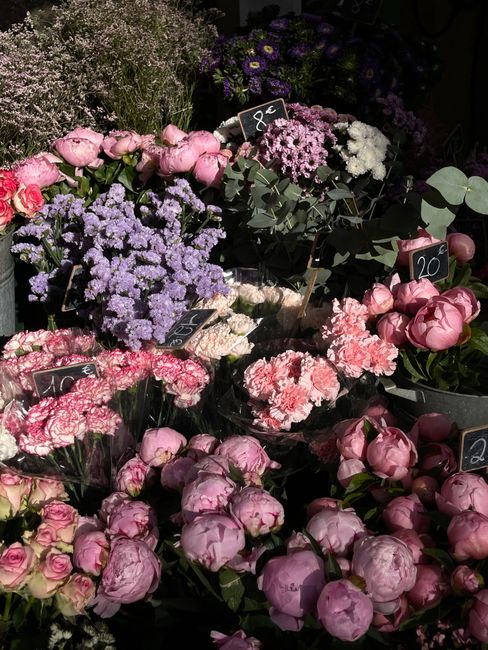
Why Avoid florist pricing traps in Mayfair -- questions to ask Matters
Mayfair is not a place where floral buying feels casual for long. You might be ordering for a hotel suite, a private dining room, a residence, or an event where the flowers need to look expensive without actually becoming expensive. That gap between expectation and quote is where pricing traps tend to appear.
The traps are rarely dramatic. They are usually small and easy to miss. A base price that excludes delivery. A bouquet image that looks full but arrives slimmer because the headline price assumes fewer stems. A "premium" label that does not explain what makes it premium. Or a rush fee that appears only after you are already invested.
Let's face it, most people do not order flowers every week. You are expected to know the difference between stem count, arrangement size, substitution policy, and premium wrapping? That is a bit much. So asking direct questions is not being awkward. It is normal, and in Mayfair it is especially sensible because presentation and timing carry extra weight.
There is another reason this matters: the higher the local expectation, the easier it is for vague wording to get expensive. A florist that sells well in a premium area may use polished language and lovely photos, but you still need clarity on what you are actually buying. Pretty is fine. Precise is better.
How Avoid florist pricing traps in Mayfair -- questions to ask Works
At its simplest, this approach works by turning a vague purchase into a structured comparison. Instead of asking, "How much is a bouquet?" you ask what is included, what changes the price, and what happens if the flowers shown online are not available.
In practical terms, florist pricing usually reflects several moving parts:
- Flower type: roses, lilies, hydrangeas, orchids, and seasonal stems all price differently.
- Availability: out-of-season or imported flowers often cost more.
- Arrangement style: hand-tied bouquets, boxed flowers, vase arrangements, and large event pieces are priced differently.
- Size and stem count: the same "medium" can vary a lot between florists.
- Delivery timing: same-day, next-day, or timed delivery may change the total.
- Add-ons: cards, chocolates, balloons, vases, and luxury packaging can quietly raise the bill.
That is why pricing questions matter so much. They help you see whether a quote is genuinely good value or just cleverly worded. A florist may be perfectly honest and still be expensive. That is fine. The problem comes when you cannot tell why.
In our experience, the best florists welcome these questions. It saves everyone time. They know serious buyers want certainty, especially for wedding flowers, sympathy tributes, corporate gifting, or same-day surprises where there is no room for ambiguity.
Key Benefits and Practical Advantages
Asking the right questions does more than protect your budget. It improves the final result too.
- You compare like for like. A GBP45 bouquet from one florist may include delivery and a vase, while another does not.
- You reduce disappointment. Clear expectations mean fewer surprises when the arrangement arrives.
- You stay in control of the budget. No awkward upselling at the last minute.
- You make better timing decisions. If the flowers must arrive before lunch, the quote should say so.
- You get more suitable substitutions. If a stem is unavailable, you will know whether it is replaced with something similar or simply omitted.
There is also a quieter benefit: peace of mind. You are not sitting there refreshing your email or wondering whether a "luxury hand-tied bouquet" will arrive looking like the website image or something a little more... philosophical. That matters more than people admit.
Expert summary: The safest way to avoid florist pricing traps in Mayfair is to ask what is included, what changes the price, how substitutions are handled, and whether delivery, presentation, and service fees are already built into the quote.
Who This Is For and When It Makes Sense
This approach makes sense for almost anyone ordering flowers in or around Mayfair, but especially for people with a clear outcome in mind.
- Busy professionals who need flowers delivered without chasing the order later.
- Gift buyers who want the arrangement to feel generous and polished.
- Event planners comparing multiple suppliers for the same brief.
- Wedding couples who need consistency across bouquets, buttonholes, and table flowers.
- Corporate clients looking for repeatable quality and sensible account terms.
- Anyone ordering at short notice because rush orders are where small fees multiply.
It is also useful if you are price-sensitive but do not want to look bargain-basement. That is a very normal position, by the way. There is nothing wrong with wanting value. A thoughtful arrangement can be elegant without being showy.
If you are browsing broader flower options, it can help to compare premium and budget-minded choices side by side. A page such as cheap flowers in Mayfair can be useful for understanding how pricing changes at the lower end, while best flower delivery in Mayfair may help you judge service quality and presentation expectations. Both are useful reference points when you are trying to spot hidden extras.
Step-by-Step Guidance
1) Start with the full price, not the headline price
Ask for the complete total including VAT if applicable, delivery, card messages, packaging, and any timed drop-off fee. A headline price is only the beginning. Not the whole story. Never the whole story, really.
2) Ask exactly what the arrangement includes
Does the bouquet size refer to stem count, visual volume, or product tier? Two florists can both call something "medium" and mean very different things. Ask for the approximate number of stems, the dominant flowers, and whether the design will be hand-tied, boxed, or arranged in water.
3) Clarify substitution rules
Seasonal flowers are not always available, especially during busy periods. Ask whether the florist will substitute with flowers of similar value and style, and whether they will keep the colour palette. That matters if you have a very specific look in mind.
4) Confirm the delivery policy
Mayfair deliveries can be straightforward, but timing still matters. Ask if there are specific time windows, if the florist needs concierge access details, and what happens if the recipient is out. A premium bouquet left in the wrong place can feel less premium very quickly.
5) Check the presentation extras
Some florists include a vase, branded box, ribbon, or water source. Others charge separately. If the flowers are going into a hotel or a private venue, presentation can be half the value. Maybe more, to be fair.
6) Ask about seasonal and premium stem pricing
Roses near Valentine's Day, peonies in peak demand, orchids, and imported blooms can all be priced above normal. If your quote seems high, ask whether the flowers themselves are driving the price or whether the arrangement style is.
7) Verify lead times for bespoke work
For weddings or corporate events, custom work may need more notice. Ask whether the florist can recreate a style from photos, how revisions are handled, and whether design time is included in the quoted price.
8) Get the cancellation and refund terms in writing
Even if you never need them, it is wise to ask. This is especially true for special orders and time-sensitive deliveries. If a florist is vague here, take the hint.
9) Compare one like-for-like alternative
Do not compare the most beautiful bouquet from one florist against the cheapest from another. Compare similar style, size, timing, and delivery conditions. That is the only fair way to see value.
If you want to see how different delivery speeds affect choice, it can also help to review same day flower delivery in Mayfair and next day flower delivery in Mayfair. Timing often changes price more than people expect, especially when the order is placed late in the day.
Expert Tips for Better Results
Here are the little things that make a real difference, the kind you only notice after dealing with enough orders in the real world.
- Ask for the composition, not just the category. "Luxury bouquet" means very little on its own. Ask what flowers are actually likely to be used.
- Watch for add-on creep. A few small extras can turn a sensible budget into something rather less sensible.
- Use the recipient context. A florist sending flowers to a Mayfair office needs different advice than one sending to a flat or hotel suite.
- Check whether care instructions are included. Good flowers last longer when the recipient knows how to treat them.
- Pay attention to wording. Phrases like "subject to availability" are normal, but they should not be used to avoid basic clarity.
One useful habit: ask the florist to summarise the quote in a single sentence. If they can do that cleanly, you are usually on safer ground. If they cannot, well... that tells you something too.
For larger or recurring needs, corporate buyers sometimes prefer a fixed relationship rather than a one-off order. In that case, an option like corporate accounts can be a sensible route because it usually supports repeat ordering, clearer invoicing, and fewer last-minute surprises.
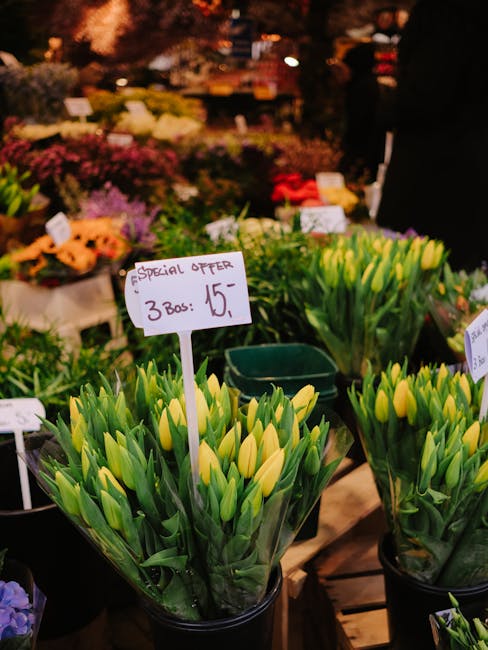
Common Mistakes to Avoid
Pricing traps often happen because the buyer assumes something that was never explicitly confirmed. These are the most common slip-ups.
- Assuming delivery is included. It might be. It might not be.
- Ignoring size wording. "Small," "standard," and "premium" are not universal terms.
- Not asking about substitutions. This is how colour schemes drift off course.
- Choosing only on picture appeal. Lovely photos are not proof of comparable value.
- Forgetting the recipient setting. A hotel, office, and home all need slightly different handling.
- Skipping the fine print on refunds and failed delivery. A small oversight can become annoying fast.
Another mistake is assuming all florist websites explain things the same way. They do not. Some are clear, some are poetic, and some are, frankly, a bit slippery. The flower world loves a beautiful phrase. You still need the facts underneath it.
Tools, Resources and Recommendations
You do not need specialised software to avoid pricing traps. A simple comparison method is enough.
- Notes app or spreadsheet: track price, delivery, size, and what is included.
- Screenshot folder: save the product image and description for each florist you compare.
- Message template: keep a short set of questions ready so you do not forget anything in a rush.
- Order timing checklist: note the delivery date, recipient contact details, and any access instructions.
Helpful supporting pages on the site can also improve your decision-making. For example, the flower care page is useful if you want the arrangement to last longer after delivery, while payment can help clarify how you will be charged before you complete the order. If you are sending flowers frequently, about us can give you a better sense of the business behind the service.
And if you are deciding between different styles, browsing category pages such as flower shops in Mayfair, flower delivery in Mayfair, or even florist Mayfair W1K can help you see how the site frames its offer without relying on guesswork.
Law, Compliance, Standards, or Best Practice
While flower buying is usually straightforward, there are still basic UK consumer expectations worth keeping in mind. You do not need to become a legal expert, but you should expect honest pricing, clear description of goods, and fair handling of returns or delivery issues. If a business sells online, it should present the total cost and key terms clearly enough for an ordinary customer to understand before paying.
In practical terms, that means you should look for:
- Clear pricing information before checkout.
- Delivery terms that explain timings and any limitations.
- Refund or replacement guidance for damaged or failed orders.
- Privacy and payment information if you are entering personal details for delivery.
Best practice also matters in the floristry trade itself. Good florists communicate substitutions openly, avoid misleading size claims, and treat special occasions with care. For sympathy and funeral orders, that care is even more important. Names, times, and delivery instructions need to be checked carefully because a small mistake carries emotional weight.
If you are ordering for weddings, corporate events, or funerals, ask for confirmation in writing. It is not fussy. It is sensible.
Options, Methods, or Comparison Table
Here is a simple way to compare florist offers without getting caught by surface-level pricing.
| Option | What it usually suits | What to ask | Main pricing trap |
|---|---|---|---|
| Standard bouquet | Gifts, thank-yous, casual occasions | Stem count, packaging, delivery fee | Low headline price with extras added later |
| Luxury arrangement | Impressive gifts, client flowers, premium spaces | Which stems are premium, vase included or not | Paying for styling rather than flowers |
| Same-day delivery | Urgent orders, forgotten occasions | Cut-off time, delivery window, postcode coverage | Rush fee plus limited choice |
| Wedding flowers | Bridal parties, tables, ceremonies | Revision policy, setup costs, substitution plan | Design charges not explained upfront |
| Corporate or regular orders | Reception, offices, client gifting | Repeat pricing, account terms, invoicing | Inconsistent pricing across orders |
As a rule, if the bouquet is meant to make a statement, ask more questions, not fewer. People often do the opposite because they do not want to seem difficult. But in the flower trade, clarity is a gift. A boring one maybe, but a useful one.
Case Study or Real-World Example
Imagine you need flowers for a dinner reservation in Mayfair on a Friday evening. You find three options online that all look elegant. One is GBP55, one is GBP70, and one is GBP85. At first glance, the cheapest seems obvious.
Then you ask the questions.
The GBP55 option excludes delivery and includes a smaller number of mixed stems. The GBP70 option includes same-day delivery but only if ordered before midday. The GBP85 option includes a vase, premium roses, and a tighter colour palette that suits the venue better.
Suddenly the picture changes. The cheapest is no longer cheapest once the add-ons are counted. The middle option might work if you order early enough. The highest price may actually be the best value if the flowers need to look polished on arrival without extra fuss.
That is the real lesson. The right question changes the answer.
We have seen this happen with birthday orders, too. A customer wants something bright and cheerful, then realises the florist's "budget" option looks fine online but would not have the fullness they expected for a birthday lunch. Switching to a more transparent product such as birthday flowers in Mayfair or even a seasonal bouquet can sometimes be the smarter move. Not always. But often enough to mention.
Practical Checklist
Use this before you confirm the order.
- Have I asked for the full price, including delivery and any extras?
- Do I know exactly what flowers or stem style are likely to be included?
- Is the size clearly explained in a way I can compare with other florists?
- Have I checked the delivery window and any cut-off time?
- Do I understand the substitution policy?
- Are vase, card, packaging, and presentation included or extra?
- Have I confirmed the recipient's details, access, and preferred location?
- Do I know the refund or replacement terms if something goes wrong?
- Have I compared this quote like-for-like with at least one alternative?
- Does the quote still feel fair once I strip away the marketing language?
Tick these off and you will avoid most of the usual headaches. Honestly, that alone puts you ahead of a lot of buyers.
Conclusion
Florist pricing in Mayfair does not have to feel like a puzzle. Once you know the right questions to ask, the process gets much simpler. You are no longer trying to decode a pretty picture and a vague price. You are checking value, timing, presentation, and service in a way that makes sense.
The key is not to chase the cheapest number. It is to understand what that number includes. That is where the real savings are, and where the disappointment gets avoided.
If you remember just one thing, make it this: ask what is included, ask what changes the price, and ask how the florist handles substitutions and delivery. Simple questions, yes. But they do the heavy lifting.
Get a free quote today and see how much you can save.
And if you are still weighing options, take your time. A good florist will make that easier, not harder.
Frequently Asked Questions
What should I ask a florist before ordering in Mayfair?
Ask for the full price, what is included, whether delivery is extra, how substitutions work, and whether the arrangement size is based on stem count or visual volume. Those five questions catch most pricing surprises.
Why are florist prices in Mayfair sometimes higher?
Prices can be higher because of location, presentation expectations, premium flower choices, delivery logistics, and short-notice orders. Higher price does not always mean poor value, but it should always be explained clearly.
How do I compare florist quotes fairly?
Compare like for like. Match bouquet size, flower types, delivery timing, packaging, and any extras. A lower quote is not cheaper if it excludes delivery or uses fewer stems.
Should delivery always be included in the quote?
Not always, but it should be clearly stated either way. If delivery is not included, ask how much it costs and whether the fee changes for same-day or timed delivery.
What does "subject to availability" actually mean?
It usually means the florist may substitute certain flowers if they are unavailable. Ask what kind of substitutions they make and whether they keep the same colour palette and value.
Are luxury bouquets better value than standard ones?
Sometimes. A luxury bouquet may include better stems, fuller design, or a vase, but it can also mean you are paying more for presentation. Ask what makes it luxury before deciding.
Can I request a specific flower and still avoid overpaying?
Yes, but be aware that seasonal or imported flowers may cost more. Ask whether the requested flower is the main cost driver or whether a similar alternative would achieve the same look for less.
What should I ask for same-day flower delivery?
Check the cut-off time, delivery area, delivery fee, and whether the florist can still offer the style you want. Same-day ordering can limit choice, so timing matters more than usual.
Is it worth asking about refund or replacement terms?
Definitely. You may never need them, but they show how the florist handles problems. If the terms are unclear or hard to find, ask before you pay.
How do I know if a florist quote is too vague?
If the quote does not clearly state size, delivery, included extras, and substitution policy, it is too vague. A good florist should be able to explain the order in plain English without making you feel awkward.
Do I need a different approach for weddings or corporate orders?
Yes. Those orders usually need more detail, more lead time, and clearer confirmation. Ask about revisions, setup, account terms, and written approval before anything is finalised.
What is the safest way to avoid florist pricing traps altogether?
The safest approach is to ask direct questions early, compare similar offers, and confirm the final total before checkout. A minute of careful checking can save a lot of hassle later.


